Remove Hard Water Stains From Glass
⏱️ 8 min read
Hard water stains on glass surfaces can be a persistent and frustrating problem for homeowners and property managers in Sweden, diminishing the aesthetic appeal of any space. These unsightly mineral deposits, often referred to as limescale buildup on glass or calcium deposit removal challenges, occur when water with a high mineral content evaporates, leaving behind a chalky residue. This comprehensive guide is dedicated to removing hard water stains from glass effectively, offering a range of solutions from practical DIY remedies to the superior clarity achieved through professional cleaning services. Discover how to restore your windows, shower screens, and other glass surfaces to their original, sparkling condition.
Understanding Hard Water Stains on Glass
Hard water stains are more than just an annoyance; they are a direct consequence of your water supply's mineral composition. Understanding their nature and formation is the first step toward effective removing hard water stains from glass and prevention.
What Exactly Are Hard Water Stains?
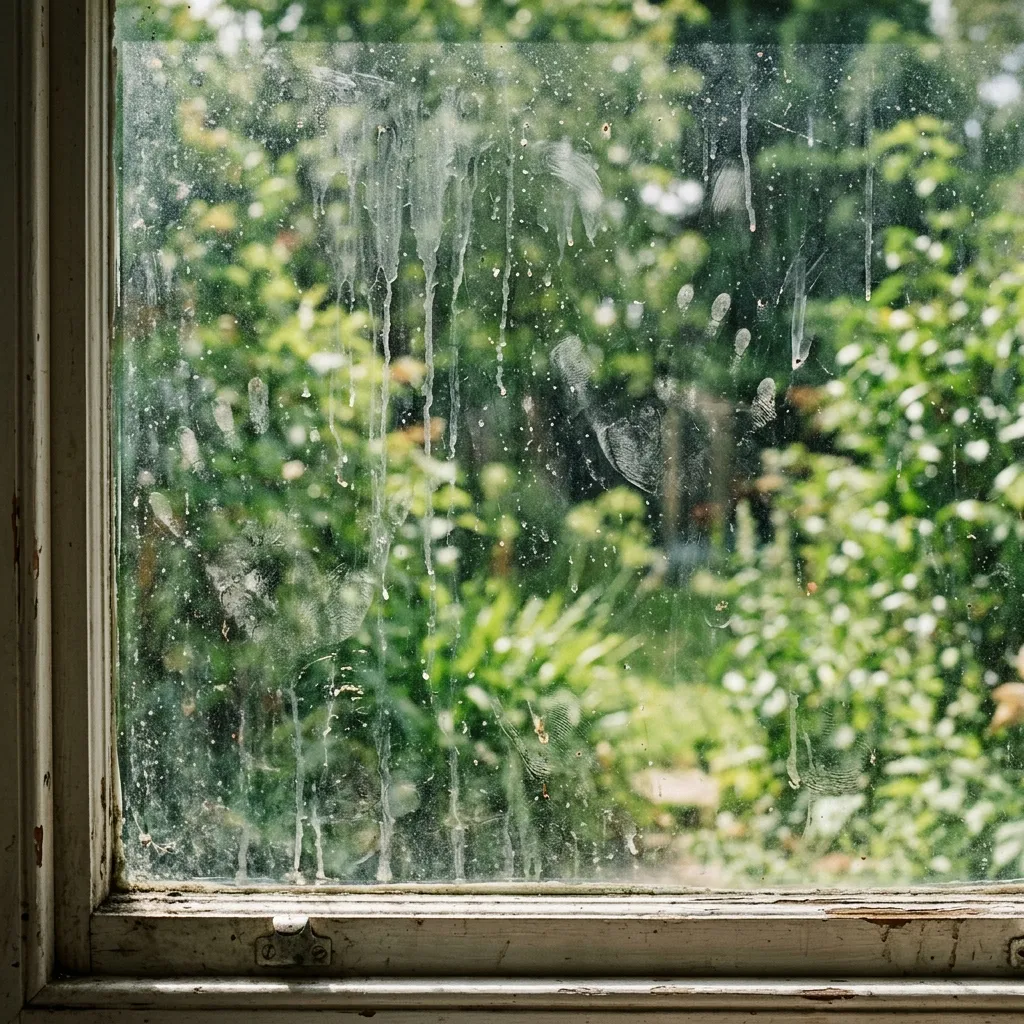
Hard water contains elevated levels of dissolved minerals, primarily calcium and magnesium. When this water comes into contact with a surface like glass and then evaporates, it leaves these minerals behind as a visible, often white, cloudy residue. This residue is what we commonly refer to as a hard water stain, limescale buildup on glass, or specifically, a mineral deposit remover challenge, making removing hard water stains from glass a common household task. Unlike soap scum, which is a mix of soap and minerals, hard water stains are purely mineral accumulations.
Why Do Hard Water Stains Form on Glass?
The formation process is simple yet pervasive. Every time water splashes onto a glass surface – be it a shower door, window, or glass tabletop – and is allowed to air dry, it leaves behind its mineral content. Over time, these layers of mineral deposits build up, becoming increasingly difficult to remove. The warmer the water, the faster it evaporates, and the more pronounced the staining can become. High humidity can also slow down drying, giving minerals more time to bond with the glass.
The Impact of Hard Water in Swedish Households (Especially Västerås)
While Sweden is known for its generally high-quality tap water, many regions, including parts of Västerås, can experience varying degrees of water hardness. This means that residents, whether in a modern apartment in Lillåudden or a villa in Erikslund, may routinely encounter limescale buildup on glass on shower screens, sinks, and windows. Beyond aesthetics, prolonged exposure to hard water can lead to permanent damage, such as etching, making timely removing hard water stains from glass crucial for maintaining the integrity and value of your home. The aesthetic and functional benefits of clean glass are well-understood in Sweden, where maintaining high-quality living environments is a priority, as highlighted by national statistics on housing and well-being from the Statistiska Centralbyrån (SCB).
Effective DIY Methods for Removing Hard Water Stains
For many, the initial approach to removing hard water stains from glass involves home-based solutions. There are several effective DIY glass stain remedies that can tackle mild to moderate mineral deposits.
Harnessing the Power of Natural Acids: Vinegar and Lemon Juice
Acidic solutions are highly effective at dissolving mineral deposits. White vinegar, a common household staple, makes an excellent vinegar hard water cleaner. These natural acids are excellent for removing hard water stains from glass effectively.
- Vinegar Solution: Mix equal parts white vinegar and water in a spray bottle. Spray generously onto the stained glass, ensuring full coverage. Allow it to sit for 5-15 minutes, depending on the severity of the stains. For particularly stubborn areas, you can soak a cloth in pure vinegar and press it onto the stain.
- Lemon Juice: Similar to vinegar, the citric acid in lemon juice can dissolve mineral deposits. Apply fresh lemon juice or a lemon juice concentrate directly to the stains, let it sit, and then scrub.
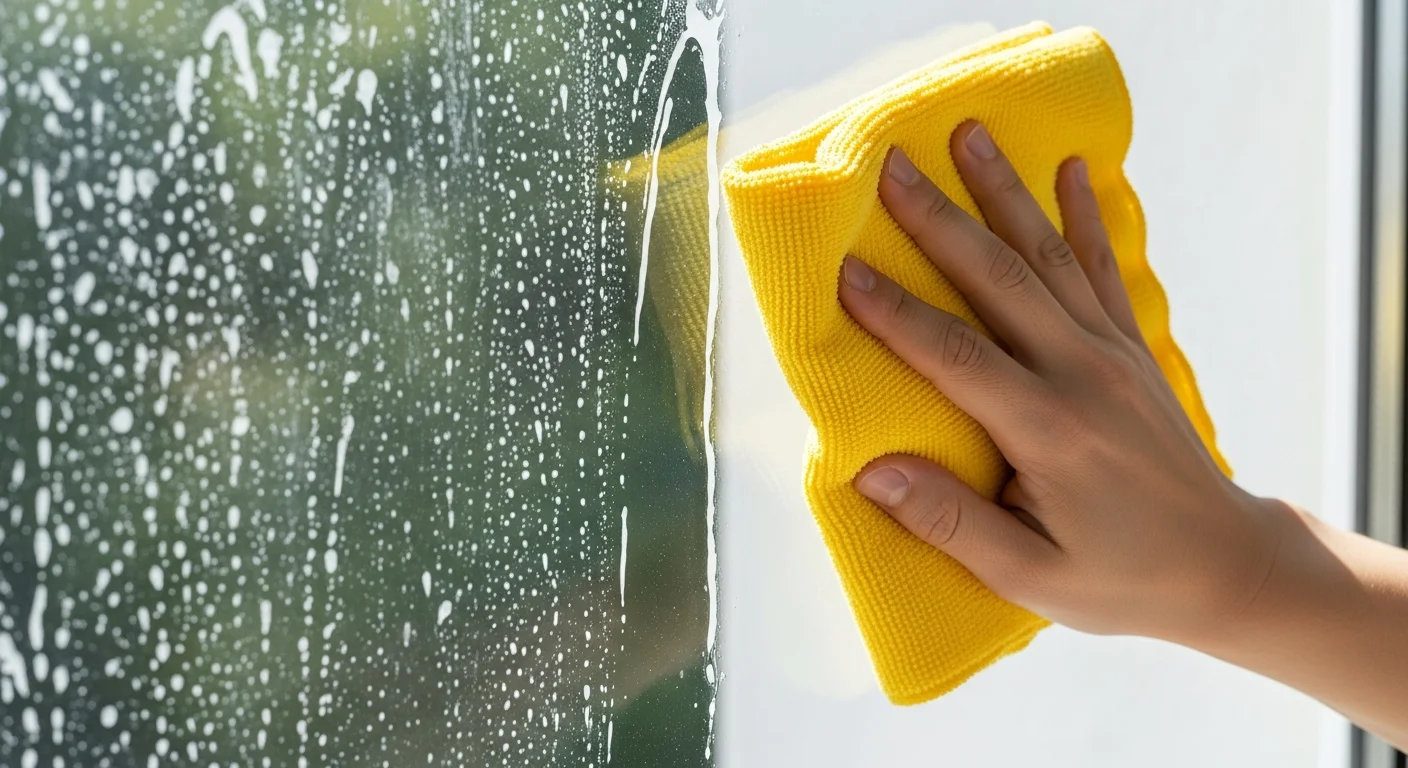
After applying either, scrub the area with a non-abrasive sponge or cloth, then rinse thoroughly with clean water and dry with a microfiber cloth to prevent new spots.
Baking Soda Pastes: Abrasive Yet Gentle
Baking soda, while not acidic, offers a mild abrasive quality that can help lift mineral deposits without scratching the glass.
- Baking Soda Paste: Create a paste by mixing baking soda with a small amount of water or, for added power, with vinegar. Apply the paste to the hard water stains and let it sit for 10-15 minutes. Gently scrub in a circular motion with a soft cloth or sponge. Rinse and dry completely.
This method is particularly useful for areas with thicker limescale buildup on glass and aids in removing hard water stains from glass.
Specialized Commercial Products for Mineral Deposits
When natural remedies fall short, commercial mineral deposit remover products are designed with stronger acids and chelating agents specifically formulated to break down stubborn mineral stains and simplify removing hard water stains from glass.
- Shower Screen Descaler: For areas like shower screens, a dedicated shower screen descaler can be highly effective. These products are often more potent than household acids and can quickly dissolve calcium deposit removal challenges.
- Application: Always follow the manufacturer's instructions carefully, as some products require specific application techniques, ventilation, or protective gear. Test on an inconspicuous area first to ensure compatibility with your glass.
Step-by-Step Guide to DIY Hard Water Stain Removal
Here’s a general approach to applying DIY methods for removing hard water stains from glass:
- Clean the Surface: Start by wiping down the glass with warm, soapy water to remove any loose dirt or grime.
- Apply Your Solution: Choose your preferred DIY solution (vinegar, lemon juice, or baking soda paste) and apply it liberally to the stained areas.
- Allow to Dwell: Let the solution sit for 5 to 20 minutes. For severe stains, increase the dwell time or reapply.
- Scrub Gently: Using a non-abrasive scrubber, microfiber cloth, or soft brush, gently scrub the stains in circular motions.
- Rinse Thoroughly: Rinse the glass with clean water to remove all traces of the cleaning solution and dissolved minerals.
- Dry Immediately: Use a clean, dry microfiber cloth or a squeegee to dry the glass completely. This is crucial for water spot prevention on windows and preventing new stains.
Calculate your price
Payment is easily made via Swish or cash upon completion.

"Ren Fröjd does an amazing job with our windows! Everything is super clean, no streaks, and the price is very transparent."
When DIY Isn't Enough: Tackling Stubborn Stains and Etching
While DIY methods are great for maintenance, there comes a point where stains become too severe or have caused permanent damage.
Recognizing and Addressing Glass Etching
Prolonged exposure to hard water can lead to glass etching, a form of permanent damage where the minerals literally corrode the glass surface, creating a rough, cloudy texture that cannot be cleaned away. If your glass feels rough to the touch even after cleaning, it's likely etched. Unfortunately, there is no simple glass etching repair for homeowners. Once glass is etched, professional polishing might offer some improvement for very minor cases, but severe etching often necessitates glass replacement. This underscores the importance of prompt removing hard water stains from glass.
Limitations of Home Remedies on Aged Stains
DIY solutions are most effective on fresh or moderately old hard water stains. Very old, deeply embedded stains, or those that have formed over years of neglect, often require stronger chemical formulations and specialized equipment that homeowners typically don't possess. Attempting to aggressively scrub such stains with abrasive pads can lead to scratching, worsening the problem, necessitating stronger solutions for removing hard water stains from glass.
Preventing Future Hard Water Stains on Glass
Prevention is always better than cure, especially when it comes to maintaining pristine glass surfaces and reducing the need for intensive removing hard water stains from glass.
Daily Maintenance and Quick Wipes
The simplest and most effective strategy for water spot prevention on windows and other glass surfaces is consistent daily maintenance.
- Squeegee After Every Use: For shower doors, a quick squeegee after every shower dramatically reduces mineral buildup.
- Wipe Down Surfaces: For windows or mirrors, wipe them dry immediately after cleaning or if they get wet. Keep a microfiber cloth handy in bathrooms.
- Regular Cleaning: Incorporate glass cleaning into your routine to prevent stains from taking hold.
Applying Protective Coatings and Sealants
Various products are available that create a hydrophobic (water-repelling) barrier on glass surfaces. These coatings make the glass slicker, causing water to bead up and run off more easily, significantly reducing the chance of minerals clinging to the surface.
- Types: Look for glass sealants specifically designed for shower screens or automotive glass, which can also be applied to home windows.
- Application: Apply these coatings according to manufacturer instructions, usually every few months, after thoroughly cleaning the glass.
Considering Water Softeners for Your Home
For homes with exceptionally hard water, a whole-house water softener can be a long-term solution. These systems remove calcium and magnesium ions from your water supply, preventing hard water stains on all surfaces, not just glass. While a significant investment, it can save considerable time and effort in cleaning and extend the life of appliances and plumbing.
💡 Tip: Always test any new cleaning solution or method on a small, inconspicuous area of your glass surface first. This ensures there are no adverse reactions or potential damages before you proceed with a full application.
The Undeniable Benefits of Professional Hard Water Stain Removal
When DIY efforts fail, or for those who simply prefer a spotless finish without the effort, professional services like those offered by Ren Fröjd are invaluable for removing hard water stains from glass.
Expert Techniques and Specialized Equipment
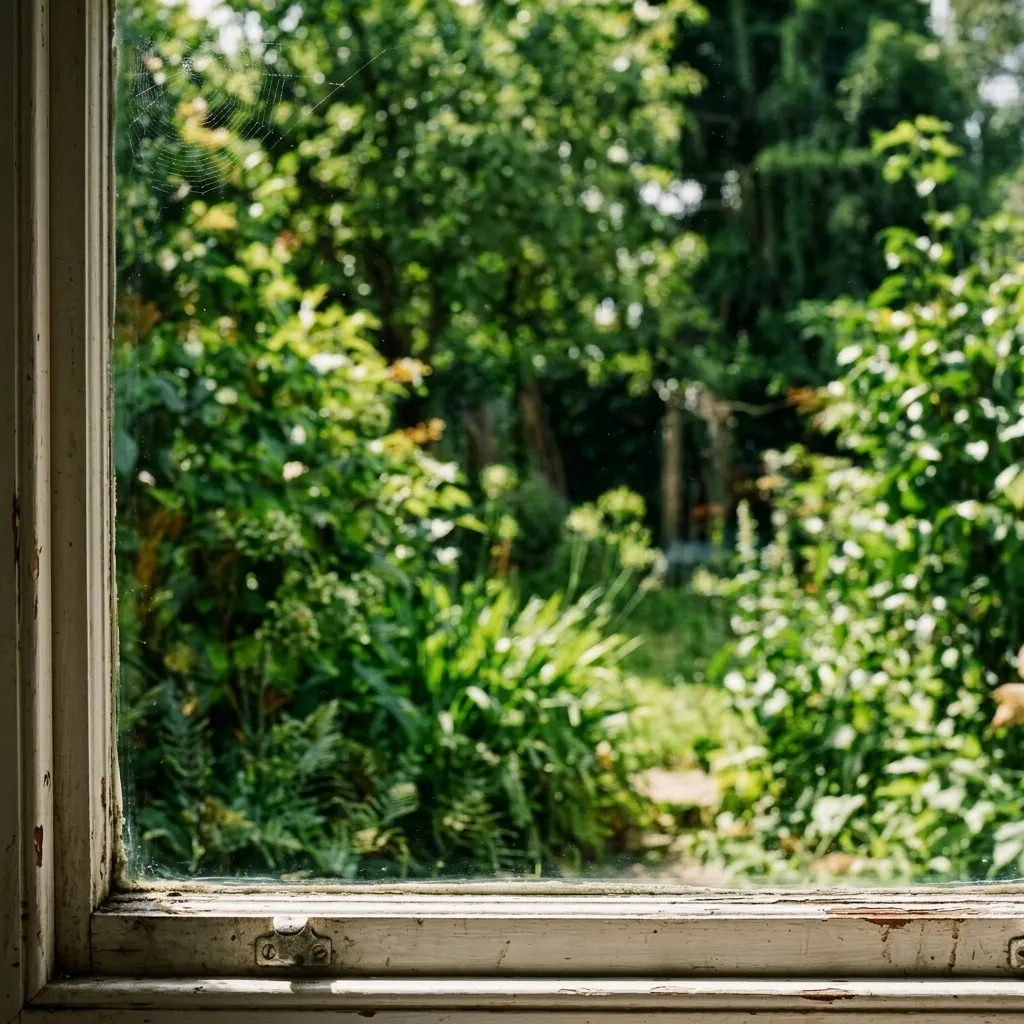
Professional cleaners are equipped with advanced tools, industrial-grade cleaning solutions, and specialized techniques that are far more effective than typical household products. They can safely and efficiently tackle even the most stubborn limescale buildup on glass and severe calcium deposit removal challenges while expertly removing hard water stains from glass. Their expertise ensures a thorough clean, restoring clarity that DIY methods often cannot achieve.
Saving Time and Effort for Homeowners
For busy homeowners and property managers in Västerås, time is a precious commodity. Entrusting the task of removing hard water stains from glass to professionals frees up your schedule, allowing you to focus on other priorities. It eliminates the frustration of ineffective cleaning attempts and the physical labor involved.
Financial Advantages for Swedish Homeowners: Understanding RUT-avdrag
In Sweden, household services, including specialized window cleaning and hard water stain removal, are often eligible for the RUT-avdrag. This tax deduction allows individuals to reduce the cost of labor for household services by up to 50% for amounts up to 75,000 SEK per person per year. This makes professional cleaning services, such as those provided by Ren Fröjd, significantly more affordable and accessible for residents of Västerås, transforming a perceived luxury into a practical and cost-effective solution. The professional cleaning industry plays a vital role in maintaining property value and hygiene, with studies by the ISSA (Worldwide Cleaning Industry Association) indicating that professional cleaning extends asset life and creates healthier environments.
Choose Ren Fröjd for Pristine Glass Surfaces in Västerås
For the ultimate solution to removing hard water stains from glass in Västerås, turn to Ren Fröjd. We understand the unique challenges posed by hard water in areas like Skallberget and the surrounding municipality. Our team of skilled professionals specializes in the meticulous calcium deposit removal and restoration of all glass surfaces, from windows to shower screens.
At Ren Fröjd, we combine expert techniques with high-quality, effective products to ensure that every pane of glass shines with unmatched clarity and precision. We address everything from minor spots to stubborn limescale buildup on glass, transforming your home's appearance. Beyond just cleaning, we contribute to the long-term well-being and value of your property. Our professional window cleaning services in Västerås, including dedicated hard water stain removal, are designed to save you time and effort while delivering exceptional results.
Leverage the financial benefits of the RUT-avdrag when you choose Ren Fröjd. We handle the paperwork, making it easier for you to enjoy sparkling clean glass at a reduced cost. Don't let unsightly mineral deposits diminish the beauty of your home any longer.
Contact Ren Fröjd today for a free consultation and discover the difference that true professional care can make for your Västerås property.
Frequently Asked Questions About Hard Water Stains
How often should I clean my shower screen to prevent hard water stains?
To effectively prevent limescale buildup on glass on shower screens, it's recommended to squeegee or wipe down the glass after every use. A more thorough cleaning with a mild acidic solution should be done weekly to address any initial mineral deposits before they become stubborn hard water stains, necessitating more intensive removing hard water stains from glass.
Can hard water stains permanently damage glass?
Yes, prolonged exposure to hard water can lead to permanent damage known as glass etching. This occurs when the minerals corrode the surface of the glass, creating a rough, cloudy texture that cannot be cleaned away. At this stage, a professional assessment is needed to avoid the need for full removing hard water stains from glass or replacement.
Are there any natural solutions for really tough hard water stains?
For very tough hard water stains, a paste made from baking soda and vinegar can be more potent than either ingredient alone. The mild abrasiveness of baking soda combined with the acidity of vinegar helps to break down and lift stubborn calcium deposit removal challenges. However, for extremely old or severe stains, a commercial mineral deposit remover or professional help for removing hard water stains from glass is often necessary.